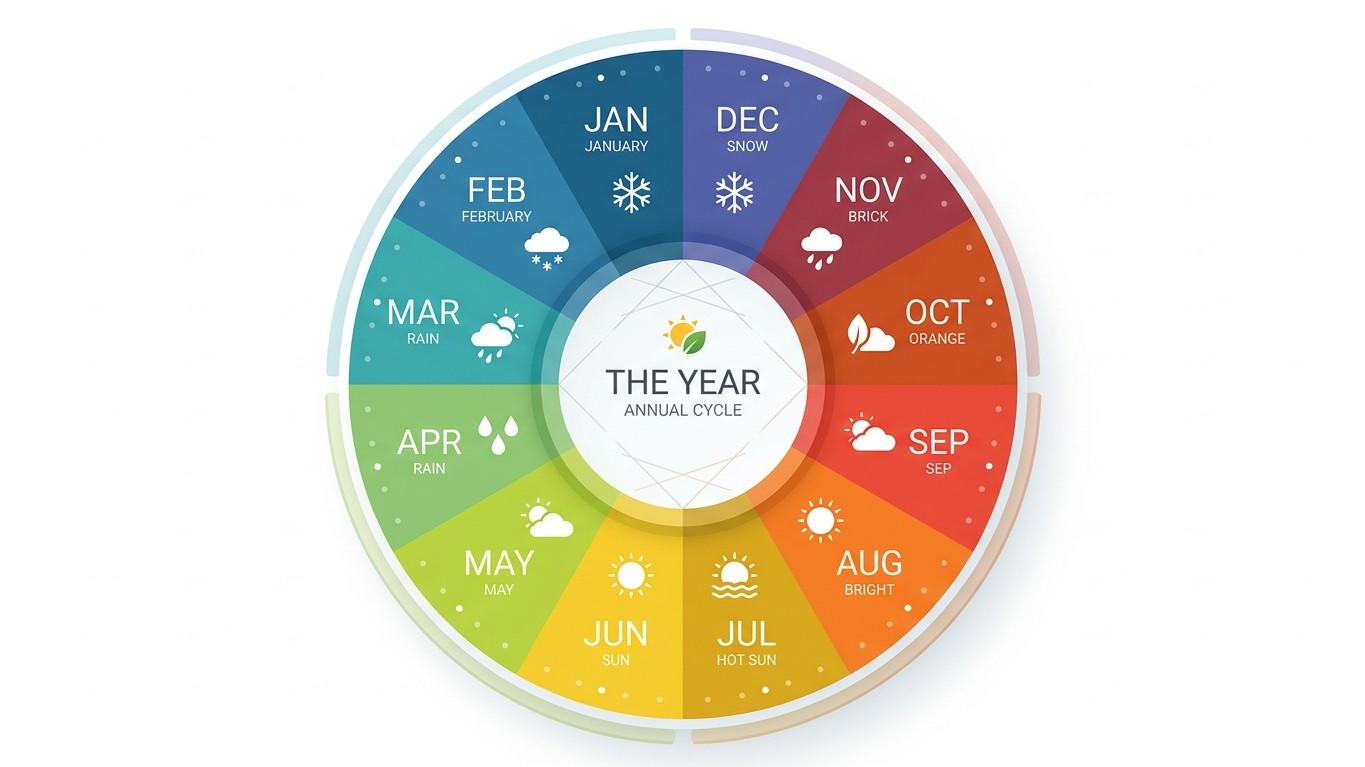
Dubai runs on extremes. The gap between a perfect January afternoon and a suffocating August midday is roughly 25C, and that difference shapes everything from hotel prices to beach crowds. Getting the timing right isn't complicated, but it does require knowing what each month actually delivers.
The best time to visit Dubai is between November and April. Temperatures stay comfortable, outdoor activities are fully accessible, and the city runs at its most energetic. That said, "best" depends on what you're after. Peak season, shoulder season, and even summer each have a case to make.
| Month | Avg High (C) | Avg Low (C) | Rainfall | Crowd Level | Relative Cost |
|---|---|---|---|---|---|
| January | 24 | 14 | Low | High | High |
| February | 26 | 15 | Low | High | High |
| March | 30 | 18 | Very low | Medium-high | Medium-high |
| April | 35 | 22 | Rare | Medium | Medium |
| May | 40 | 27 | Rare | Low | Low-medium |
| June | 42 | 30 | None | Very low | Low |
| July | 43 | 31 | None | Very low | Low |
| August | 43 | 32 | None | Very low | Low |
| September | 40 | 29 | None | Low | Low |
| October | 36 | 24 | Rare | Medium | Medium |
| November | 31 | 19 | Rare | Medium-high | Medium-high |
| December | 26 | 15 | Low | High | High |
Temperature averages sourced from TimeandDate.com Dubai climate data.
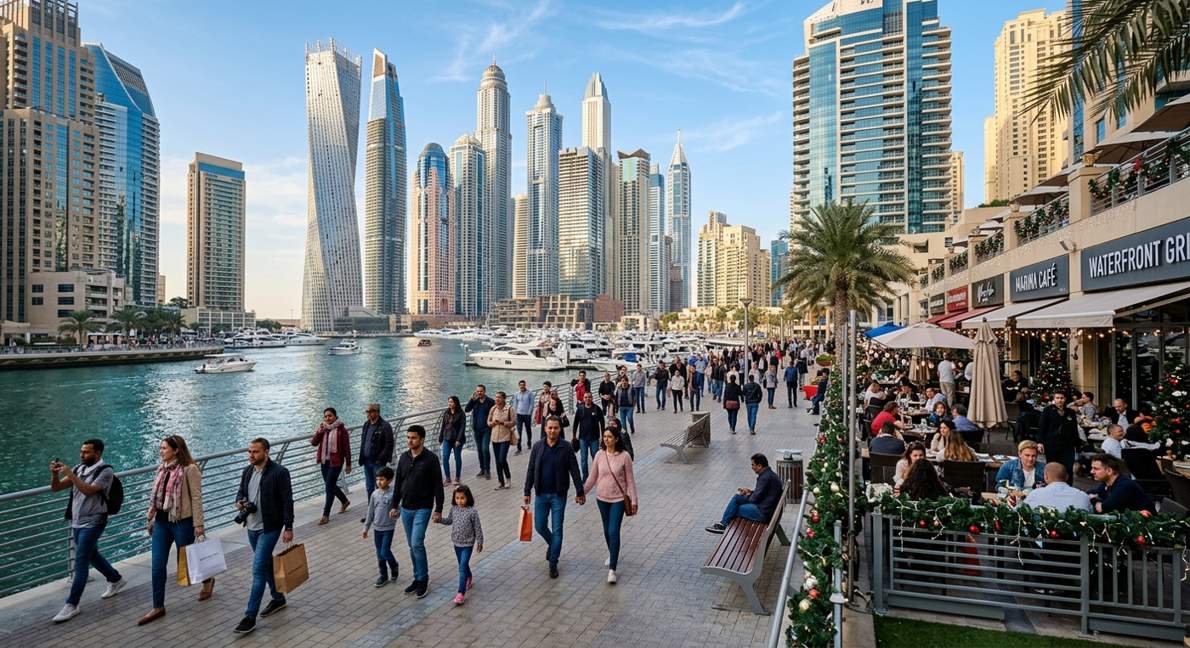
This is Dubai at its most livable. Daytime highs sit between 24C and 30C, evenings are genuinely cool, and humidity stays manageable. You can walk along the Dubai Marina waterfront, visit the souks, or spend a full day at the beach without any discomfort.
December and January are the busiest months. Visitor numbers spike around Christmas and New Year, and that translates directly into higher hotel rates, fuller restaurants, and queues stretching well past the entrance at the Burj Khalifa observation deck. If you're traveling during this window, book accommodation at least two to three months in advance. Leaving it later means either paying a premium or settling for whatever's left.
February is arguably the sweet spot of the entire year. The Dubai Shopping Festival typically runs from January into February, weather is still ideal, and prices ease slightly as the post-holiday rush fades. You get the best of both worlds: good conditions and a city that's busy but not overwhelmed.
Insider tip: The Dubai Shopping Festival brings significant retail discounts and entertainment events across the city. If shopping is part of your plan, this timing adds real value to the trip.
March and April see temperatures climb. Still workable, though. Highs reach 30C to 35C, and outdoor sightseeing in the morning or evening remains genuinely pleasant. Crowds thin out compared to peak months, and hotel prices drop noticeably, sometimes by 20% to 30% against January rates.
So why don't more travelers choose March? Mostly because it doesn't have the obvious appeal of a "cool winter" destination or the dramatic savings of summer. But for anyone who wants real outdoor time without fighting for space at every attraction, it's one of the most underrated windows in the calendar.
April can surprise you with occasional dust storms, known locally as "shamal." Visibility drops, outdoor plans get disrupted, and you might lose a day to it. Plan for a possible lost day if you're visiting in April.
October sits in a similar position to March. The brutal summer heat has broken by mid-October, and the city feels like it's waking back up. You'll find reasonable hotel rates and far fewer tourists than in December or January. The evenings are comfortable enough for creek cruises and walking tours through the Al Fahidi historic district. For travelers who want good weather without peak-season prices, October and March are the most practical choices.
Temperatures between June and August regularly hit 43C, with humidity pushing the "feels like" figure even higher. This is not the time for outdoor exploration.
That said, summer isn't entirely without merit. Hotels drop their rates significantly, sometimes by 40% to 50% compared to peak season, according to booking platform data and reports from the Dubai Department of Economy and Tourism. Dubai's indoor infrastructure is world-class: enormous air-conditioned malls, an indoor ski slope at Ski Dubai, the Dubai Aquarium, and entertainment complexes that could fill a week on their own. The Dubai Summer Surprises festival runs from late June through August and offers genuine deals on dining, retail, and family activities.
If you're on a tight budget and don't mind limiting outdoor time to early mornings or evenings, summer can work. But for most travelers, the heat is a genuine barrier, and no discount fully compensates for being unable to step outside comfortably between 9am and 7pm.
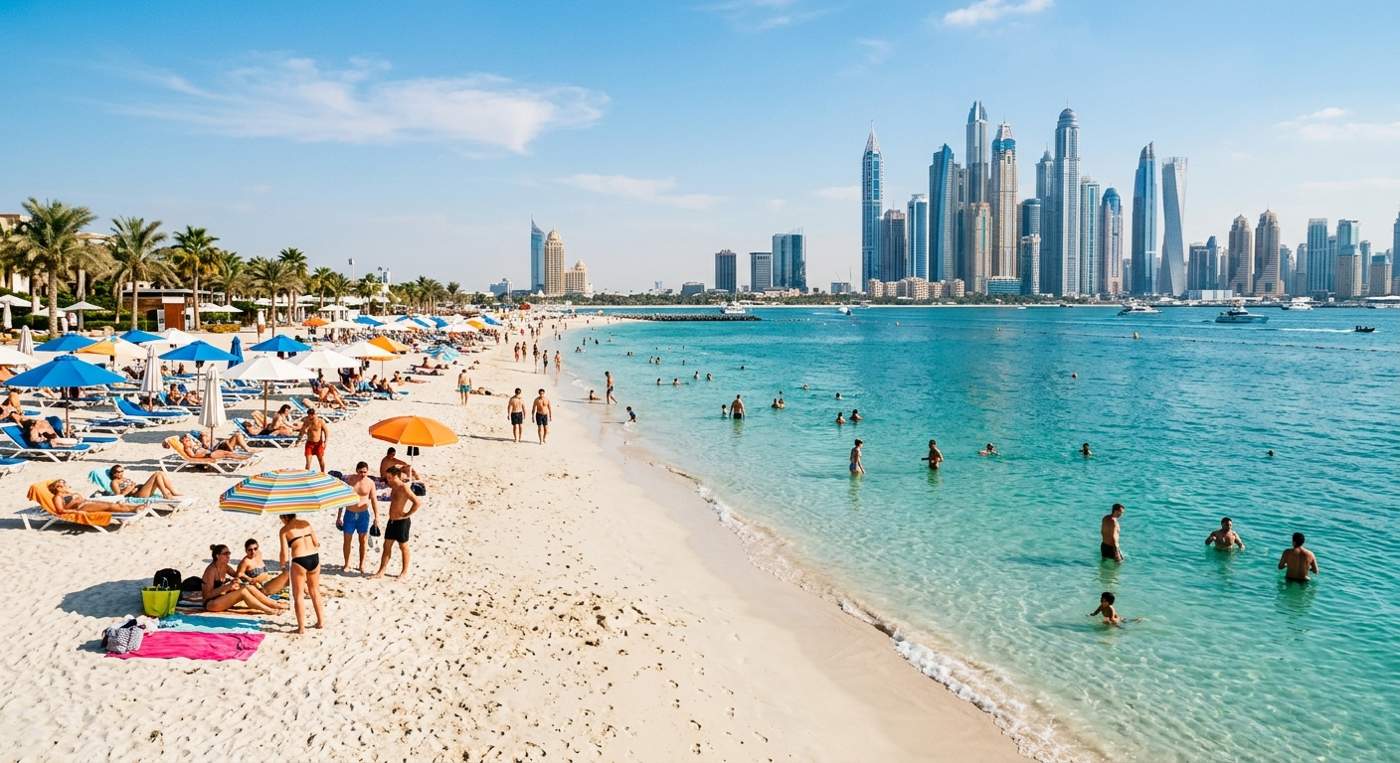
November through March is the window you want. Water temperatures sit between 22C and 26C, and you can actually enjoy the beach for more than 20 minutes without overheating. February and March offer the best balance of warm water, comfortable air temperatures, and prices that are slightly lower than the Christmas and New Year peak. Sea temperature data sourced from SeaTemperature.info.

October to April is the practical range. Evening temperatures in the desert fall sharply in winter, sometimes to 15C or below by midnight, and the experience is far more enjoyable than the sweltering summer version. Summer desert trips are possible but brutal, and most operators scale back their offerings accordingly.
November to March. Walking tours, creek cruises, and visits to historic neighborhoods like Al Fahidi work best in cooler months. The difference between a January morning stroll and an October afternoon walk is significant enough to affect what you can realistically cover in a day.
June to August. You'll pay the least, but most of your time will be spent indoors. Factor that into your expectations before you book.
May, September, or early October. Weather is still hot, but manageable in the evenings, and tourist numbers are low. Early October hits a useful middle ground: temperatures are dropping, the city is livening up, and you won't be competing for restaurant reservations.
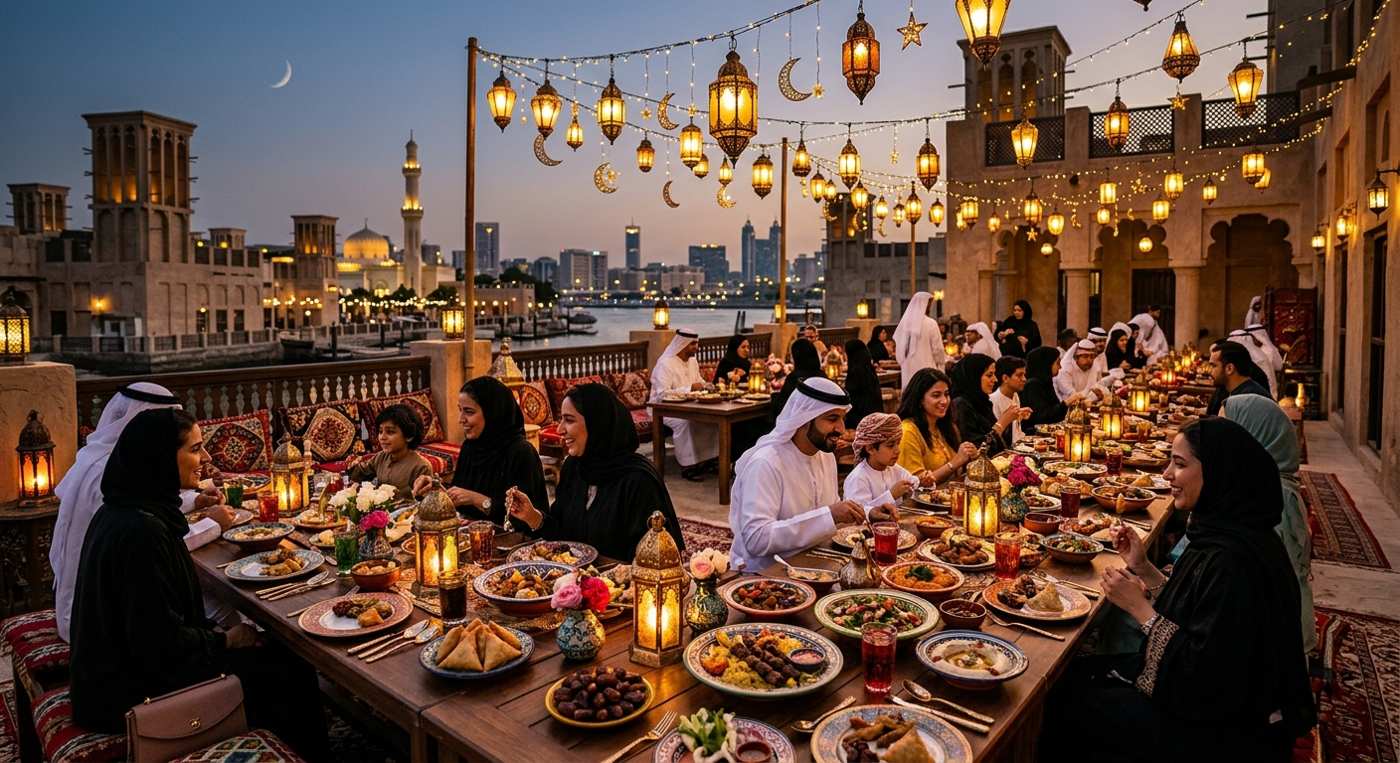
Ramadan falls on a different date each year, based on the Islamic lunar calendar, and lasts approximately 30 days. During this period, eating, drinking, and smoking in public during daylight hours is restricted. Many restaurants only open after sunset, and the general pace of the city slows noticeably during the day.
Ramadan isn't a reason to avoid Dubai. The nighttime atmosphere during Iftar, the breaking of the fast, is genuinely special, and hotels typically offer elaborate Iftar buffets that are worth experiencing in their own right. Some travelers specifically time their visit to coincide with Ramadan for exactly this reason.
But if you're visiting primarily for beach clubs, daytime dining, and nightlife, check whether your travel dates overlap with Ramadan before booking. The experience is different enough that it's better to know in advance than to arrive surprised.
Ramadan dates shift approximately 10 to 11 days earlier each year. For confirmed upcoming dates, the Dubai Department of Economy and Tourism publishes an annual events calendar.
Dubai rewards visitors who plan around the calendar. The city itself doesn't change much month to month, but your experience of it changes dramatically depending on whether you're stepping outside into 24C or 43C.
What is the best month to visit Dubai for perfect weather?
February offers the most consistent conditions. Daytime temperatures average around 26C, evenings are cool, and rainfall is minimal. The Dubai Shopping Festival also runs through this period, adding activity and retail deals without the extreme crowds of December and January.
When is the cheapest time to visit Dubai?
June, July, and August are the cheapest months by a clear margin. Hotel rates drop 40% to 50% compared to peak season. The trade-off is extreme heat, daily highs regularly reach 43C with high humidity, so most of your time will be spent indoors.
What is the weather like in Dubai month by month?
November through April brings mild to warm conditions, ranging from 24C to 35C. May and October are transitional months with rising or falling heat. June through September is the hottest period, with temperatures hitting 42C to 43C and virtually no rainfall.
Is it safe to visit Dubai during the summer months (June to August)?
Yes, it's safe, but physically demanding. Outdoor exposure during midday hours is uncomfortable and best avoided. The city's indoor infrastructure handles most activities well, but sightseeing, beach time, and walking tours should be limited to early morning or evening hours.
What is the best time to visit Dubai for smaller crowds?
May, June, and September see the fewest tourists. For lower crowds without extreme heat, early October or late November are better options, temperatures are manageable in the evenings, and visitor numbers are noticeably thinner than during the December to February peak.
When is the best time for a beach holiday in Dubai?
November through March is ideal. Water temperatures sit between 22C and 26C, and daytime heat is comfortable rather than oppressive. February and March offer the best balance of warm weather, calm seas, and slightly lower hotel prices than the Christmas and New Year peak.
Get an instant summary or ask follow-up questions about this article in your favourite assistant.

UAE Editor at TravelCamel
Daniel moved to Dubai in 2016 and covers attractions, transport and day trips across all seven emirates. His rule for every guide: if a place is not worth the ticket, the guide says so. More guides by Daniel →