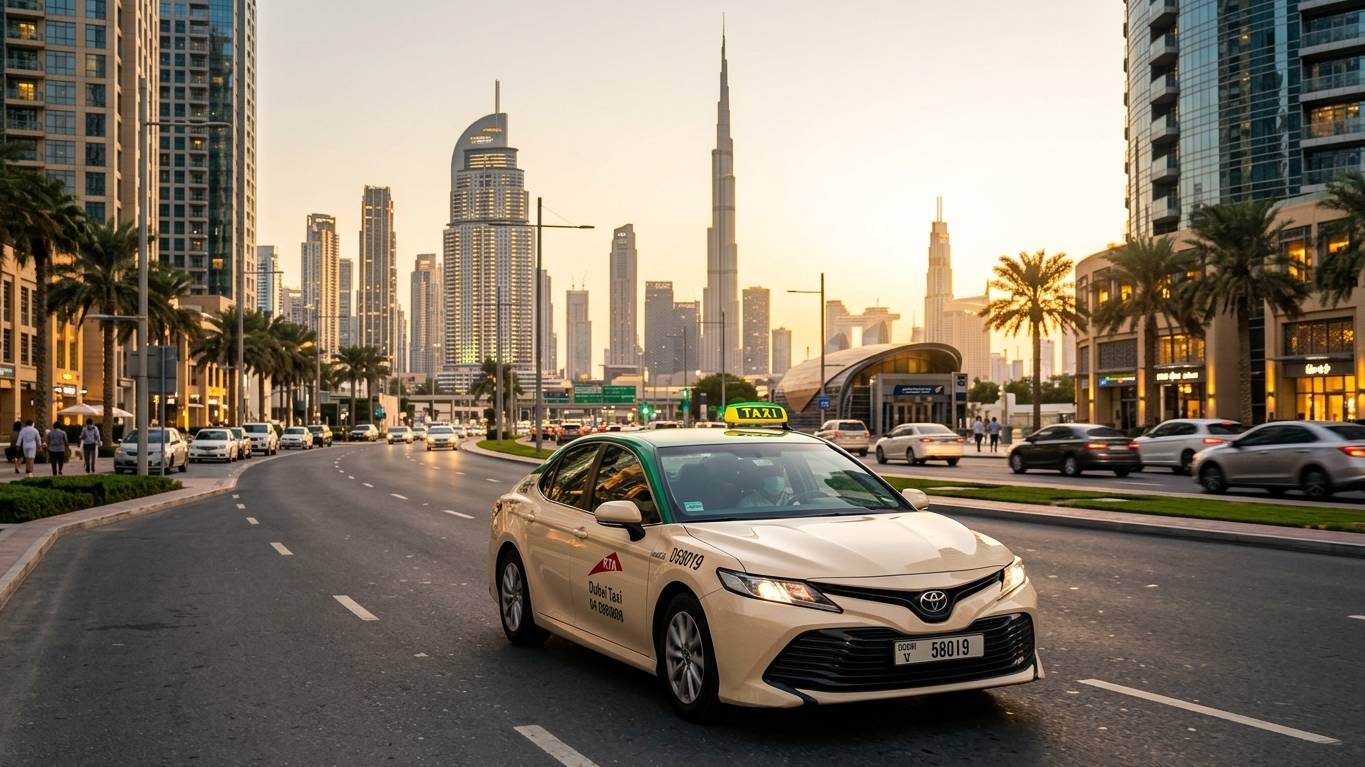
Dubai's taxi network is one of the most accessible in the Middle East. Whether you're arriving at the airport, heading to a business meeting, or exploring the city at night, getting a cab here is straightforward once you know your options. This guide covers every method, what to expect on pricing, and a few things that'll save you time.
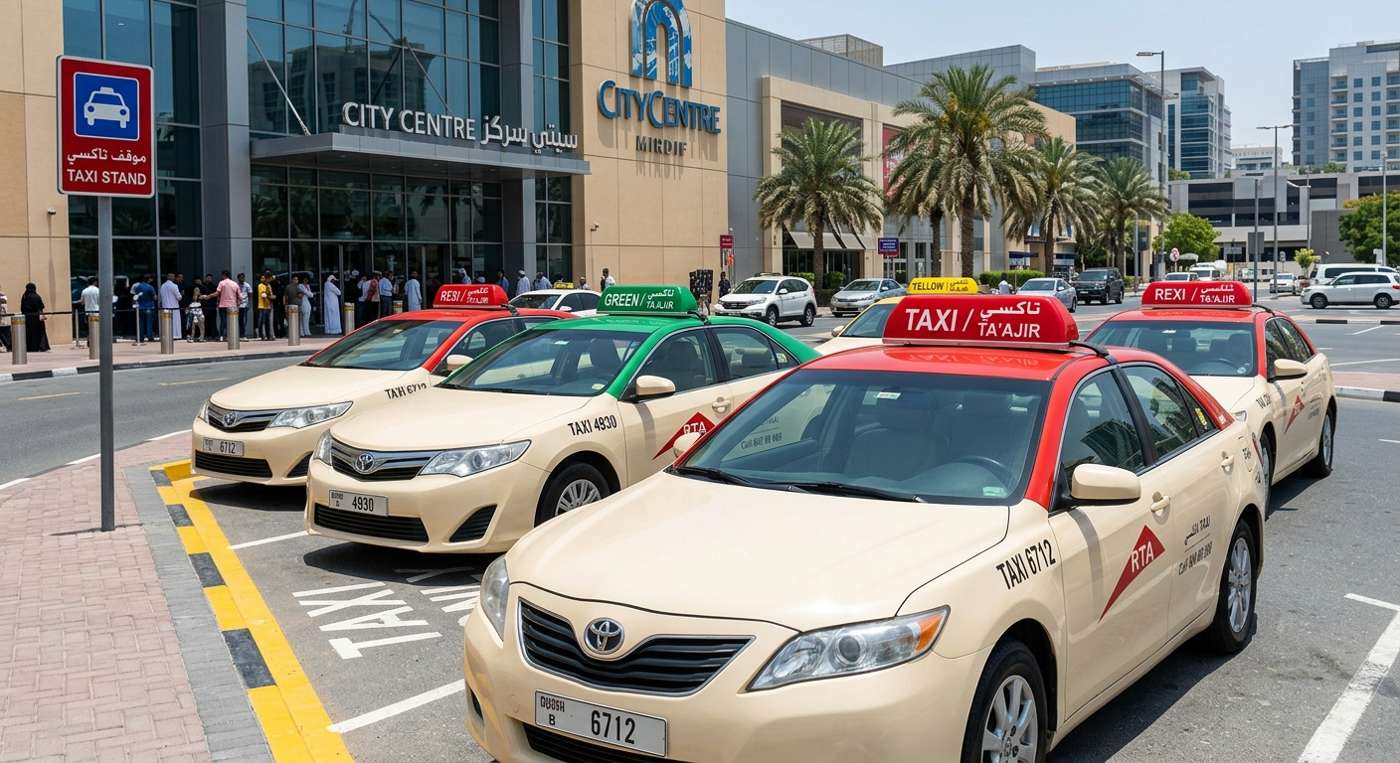
The Roads and Transport Authority (RTA) operates Dubai's official taxi fleet. These are the cream-colored cars with colored roof signs, and they're metered, regulated, and available across the city. Flagging one down on a busy street works in most areas, but in residential neighborhoods or quieter districts, you'll have better luck at a designated taxi stand. Hotels, malls, and major attractions all have dedicated pickup points.
The color-coded roof signs indicate the following:
The fare structure is metered and fixed by the RTA, so there's no haggling involved. Every driver is licensed and the vehicles are inspected regularly, which keeps the standard consistent across the fleet.
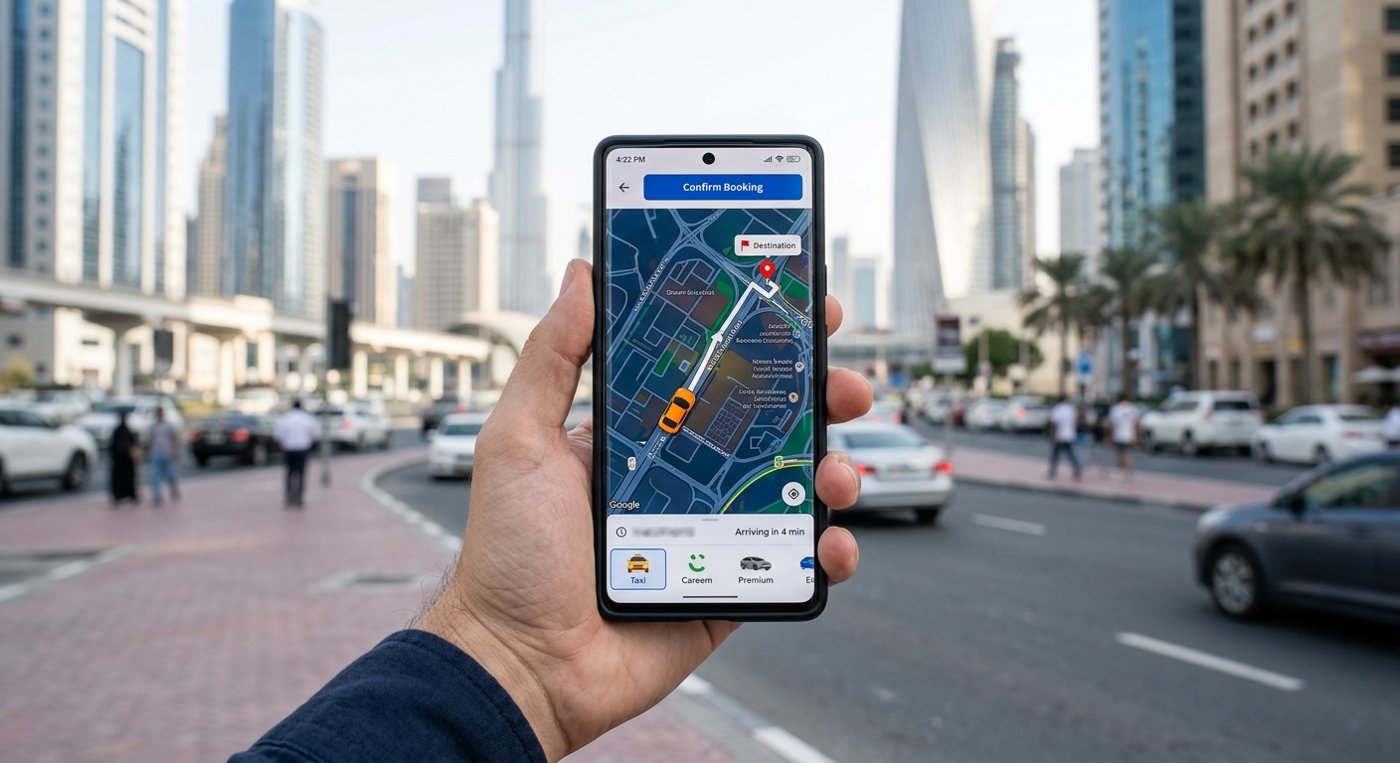
You have four main ways to get a cab:
The RTA app is the most reliable option if you're planning ahead. It shows real-time availability, gives you an estimated arrival time, and stores your payment details. Worth downloading before you land.
Uber operates in Dubai and functions much like it does elsewhere. You book through the app, get an upfront price estimate, and pay digitally. Uber in Dubai runs on RTA-licensed drivers, so the experience mirrors a regular metered taxi more closely than in other cities.
Careem is the more practical choice for regular Dubai use. It's deeply integrated with local infrastructure, offers more vehicle categories, and accepts a wider range of payment methods including cash. Careem was acquired by Uber in 2019 but continues to operate independently in the region.
During peak hours (7 to 9 AM and 5 to 8 PM on weekdays), ride-hailing surge pricing can push costs well above metered taxi rates. At those times, hailing a street cab or heading to a taxi stand is often cheaper. Not always obvious until you open the app and see the multiplier.
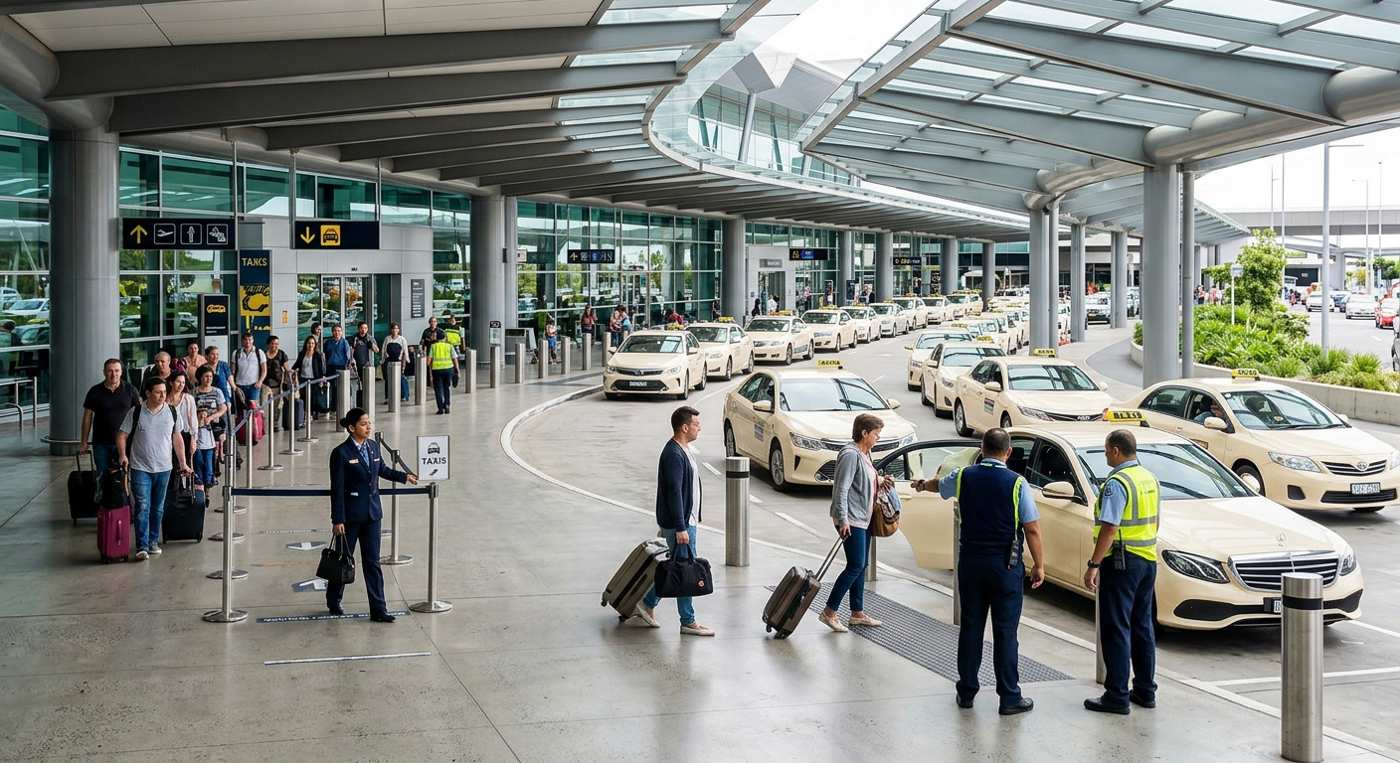
Dubai International Airport (DXB) has a well-organized taxi system. Metered taxis are available on the Arrivals level at all three terminals, with queues managed by airport staff. No advance booking needed.
Terminal 1 and Terminal 3 handle the highest passenger volume. Queues move quickly there, and you'll rarely wait more than five to ten minutes. Terminal 2, which handles smaller regional carriers, has a shorter queue but cabs arrive less frequently. Late-night arrivals at T2 may mean a brief wait of fifteen minutes or more.
One practical note: the Dubai Metro Red Line connects Terminal 1 and Terminal 3 directly to the city center. During morning rush hour, it's often faster than a cab and costs a fraction of the fare.
Airport taxis carry a fixed AED 25 starting fare, compared to AED 12 for standard street taxis. The per-kilometer rate is the same either way. A typical trip from DXB to Downtown Dubai runs between AED 50 and AED 70 depending on traffic. The same journey to Dubai Marina usually lands between AED 70 and AED 90. These are estimates based on current RTA metered rates; actual fares vary with congestion.
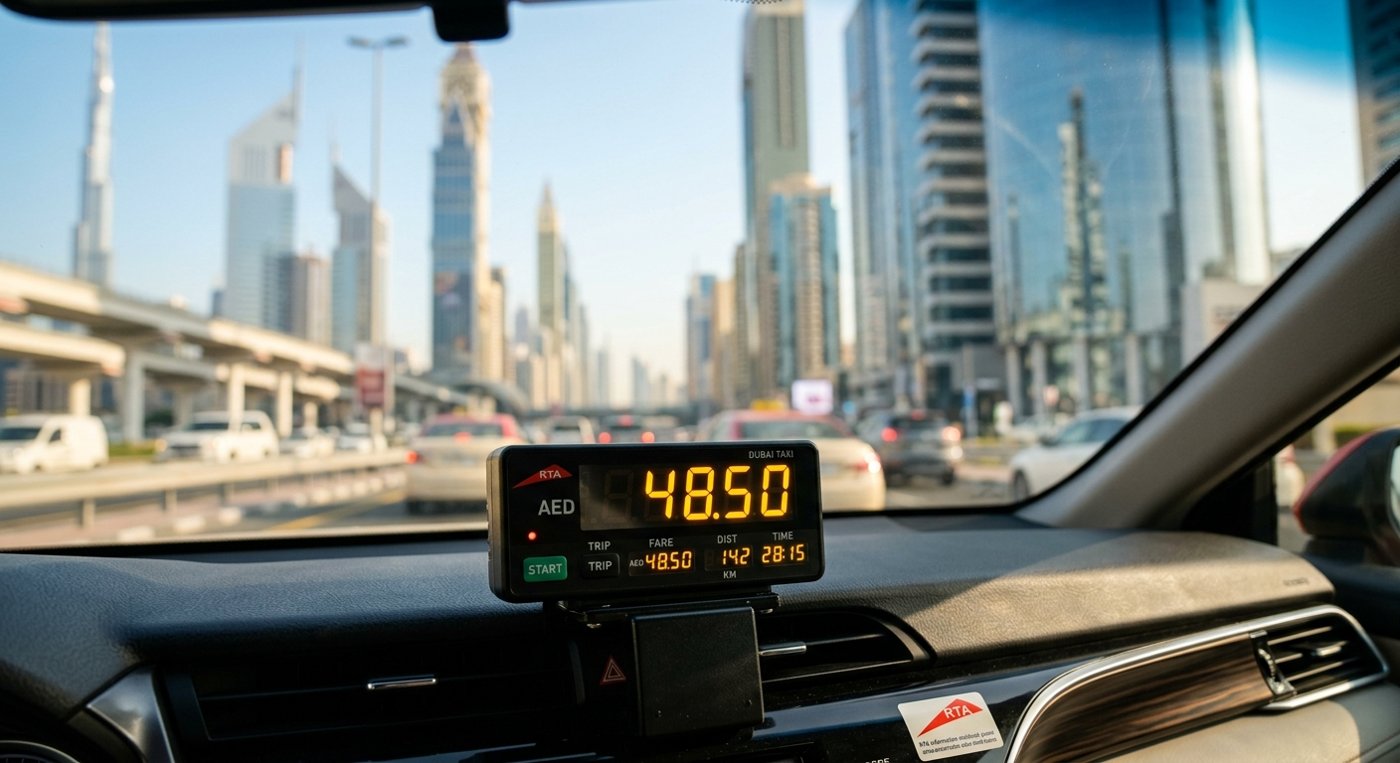
RTA taxi fares are metered and set by the authority. The table below reflects the current published RTA fare schedule:
| Fare component | Standard taxi | Airport taxi |
|---|---|---|
| Flag-fall (day) | AED 12 | AED 25 |
| Flag-fall (night, 10 PM to 6 AM) | AED 12 | AED 25 |
| Per kilometer | AED 1.96 | AED 1.96 |
| Minimum fare | AED 12 | AED 25 |
| Booking fee (phone or app) | AED 3 | AED 3 |
Drivers accept cash in AED only. Most cabs now have card readers, but it's worth confirming before you get in if you're relying on card payment. Contactless is available in newer vehicles.
Language isn't usually a barrier. Most drivers speak basic English and know the major landmarks well. That said, having your destination written in Arabic or pulled up on Google Maps helps in less central areas where street names get complicated.
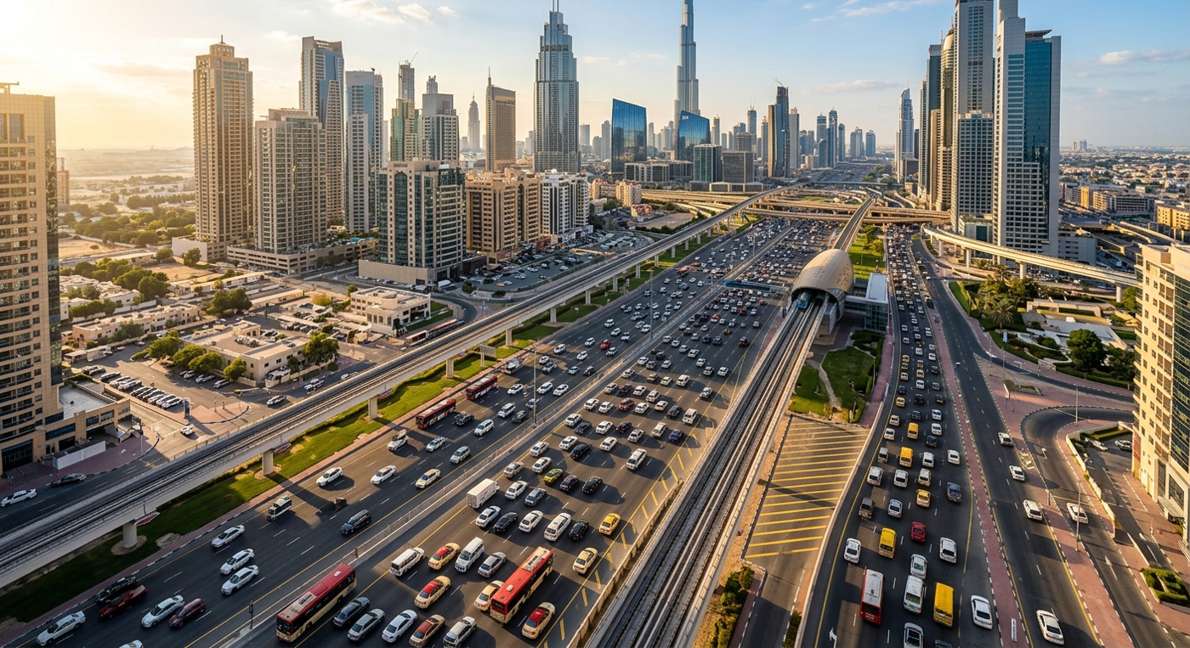
Traffic timing matters more in Dubai than in most cities. The Sheikh Zayed Road corridor can grind to a halt during morning and evening rush hours. If your schedule allows, traveling between 10 AM and 4 PM, or after 8 PM, makes a real difference to both journey time and fare.
Receipts print automatically at the end of each metered ride. If you leave something in the cab, the receipt shows the taxi number, which makes it much easier to recover lost items through the RTA lost and found line at 800-9090.
Tipping isn't expected, but rounding up to the nearest AED 5 or AED 10 is common practice and always appreciated.
Women traveling alone can specifically request a Ladies Taxi through the RTA app or by phone. The pink-roof vehicles are driven by female drivers and are available around the clock.
Taxis aren't always the fastest option in Dubai. The Metro covers the main tourist and business corridors efficiently and costs a fraction of a cab fare. The Nol card, Dubai's reloadable transit card, works across the Metro, buses, trams, and water buses, so it's worth picking one up at any Metro station if you're staying more than a couple of days.
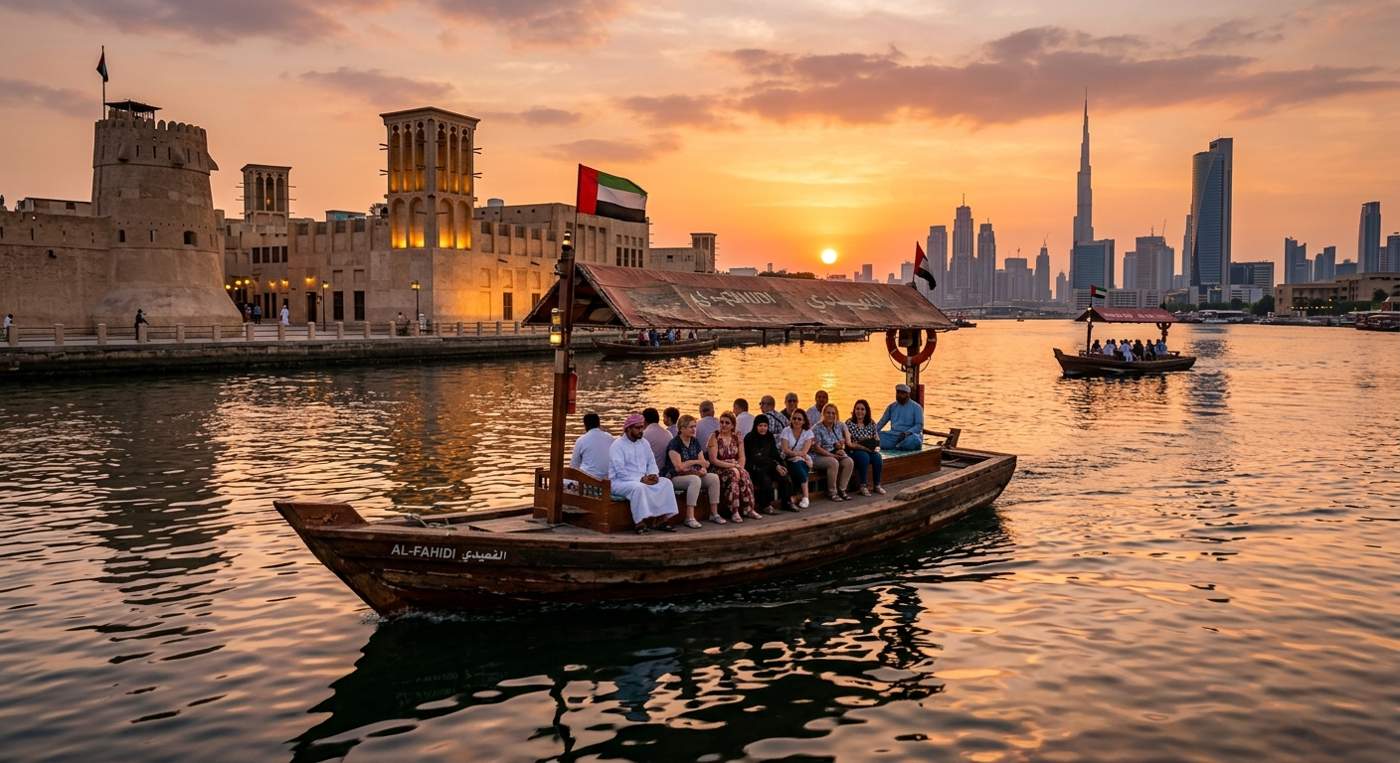
For short distances in areas like Deira or along the Creek, the Abra is both cheap and practical. These traditional wooden water taxis charge AED 1 per crossing and run frequently throughout the day. Residents use them daily. It's not a tourist gimmick.
If you're in Dubai for an extended stay, Careem's subscription packages offer discounted rides and can work out cheaper than individual bookings once you're taking more than a few trips per week.
How do I book a taxi in Dubai?
You can book through the RTA Dubai Taxi app, call 04-208-0808, hail a cab on the street, or use a taxi stand at hotels and malls. The app is the most convenient option for scheduled trips and lets you track your driver in real time.
How much does a taxi cost in Dubai?
Standard metered taxis start at AED 12 (flag-fall), with a rate of AED 1.96 per kilometer. Airport taxis carry a higher starting fare of AED 25. A typical airport-to-Downtown trip costs AED 50 to 70 depending on traffic. See the RTA fare schedule for full details.
What is the best taxi app in Dubai?
Careem is the most widely used app locally, with broader payment options and more vehicle categories. The official RTA Dubai Taxi app is the best choice for booking licensed metered taxis directly. Uber also operates in Dubai using RTA-licensed drivers.
How do I get a taxi from Dubai Airport?
Metered taxis are available on the Arrivals level at all terminals, with airport staff managing the queues. No advance booking is needed. Airport taxis carry a AED 25 starting fare. Terminal 1 and Terminal 3 have the fastest turnaround, typically under ten minutes.
Is Uber available in Dubai and how does it compare to regular taxis?
Yes, Uber operates in Dubai using RTA-licensed drivers and offers upfront pricing. Regular metered taxis are often cheaper during peak hours when surge pricing applies. Uber's main advantage is convenience during off-peak times when street cabs are harder to find.
Get an instant summary or ask follow-up questions about this article in your favourite assistant.

UAE Editor at TravelCamel
Daniel moved to Dubai in 2016 and covers attractions, transport and day trips across all seven emirates. His rule for every guide: if a place is not worth the ticket, the guide says so. More guides by Daniel →